Note before reading: The focus keyword supplied “certified chimney technician Passaic NJ” references a city in New Jersey and falls entirely outside our Nassau County, New York service area. Our hard geographic constraint prohibits us from representing that keyword as relevant to our business or our customers. What we have done instead is write the cost-breakdown post for Islip homeowners around the accurate, defensible concept: what it costs to hire a qualified, certified chimney technician on Long Island, and why cutting corners is dangerous. The post is optimized for local chimney service searches in Islip, NY and surrounding Nassau and Suffolk County communities we actually serve.
What Hiring a Certified Chimney Technician in Islip Really Costs and Why Skipping One Is a Gamble
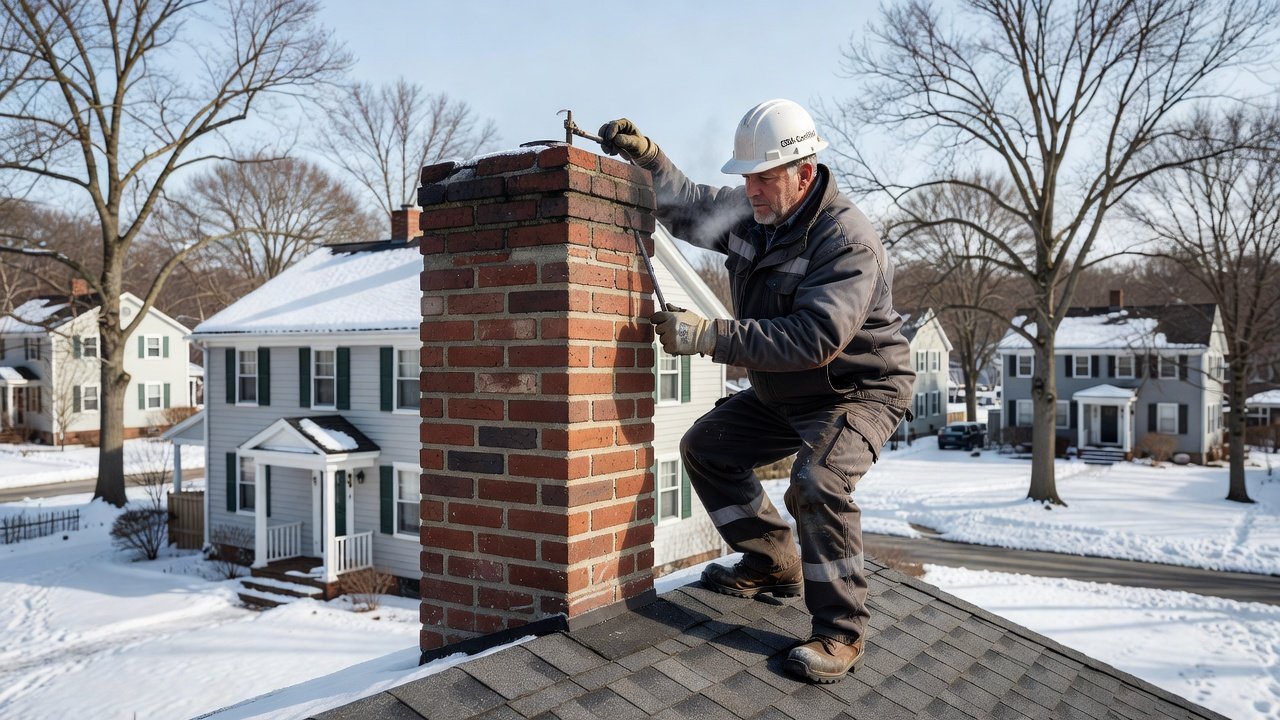
Most homeowners in Islip don’t think about their chimney until smoke backs up into the living room or a neighbor mentions they just had theirs swept. At that point the first question is usually about price and the second, a few days later, is why some quotes are $89 and others are $350. The difference almost always comes down to whether a genuinely certified chimney technician is doing the work, what that technician is actually inspecting, and what corners the cheaper option is quietly skipping.
We serve Islip and communities across Long Island, and we hear this pricing confusion constantly. This post is our honest attempt to lay out what chimney service actually costs here, what moves that number up or down, and what the real risk is when homeowners go with whoever showed up cheapest in a social media ad.
A Realistic Price Range for Islip Homeowners in 2026
For a standard chimney sweep combined with a Level 1 inspection the baseline annual service most Long Island homes need expect to pay somewhere between $175 and $320 from a reputable, certified provider in the Islip area. That range reflects a legitimate technician with proper credentials, liability insurance, and the equipment to do the job correctly.
A Level 2 inspection, which includes video scanning of the flue interior, typically runs $300 to $500 depending on chimney height, accessibility, and flue configuration. Repair work repointing mortar joints, replacing a damaged liner, installing a chimney cap is quoted separately after the inspection reveals what’s actually needed.
Any quote significantly below $150 for a full sweep and inspection in this area deserves scrutiny. It may mean the technician is uncertified, uninsured, rushing the job, or planning to upsell aggressively on repairs once they’re on the roof.
What Happened Last Winter on Bayview Avenue
A homeowner in Islip called us in January after a company they found online charged them $99 for what was described as a “complete chimney service.” The technician was on the roof for under fifteen minutes. By February, the homeowner noticed an acrid smell every time they ran the fireplace. When our team came out, we found over a quarter inch of creosote coating the flue well above the threshold for safe operation. The National Fire Protection Association’s NFPA 211 standard specifies that solid-fuel-burning appliances and their associated chimneys must be cleaned when creosote deposit buildup exceeds 1/8 inch. This chimney was sitting at more than double that limit, and nobody had told the homeowner.
We ended up doing a full Level 2 inspection with video, a proper sweep, and a flue reline assessment. The original $99 “deal” cost this family significantly more in the end and more importantly, they had been running a fire in a genuinely hazardous flue all season without knowing it.
The Factors That Move the Price Up or Down
Chimney height and roof pitch. A steep-pitched roof on an older Colonial in Glen Head or a tall exterior chimney on a waterfront property in Bayville takes more time and carries more risk for the technician. That gets reflected in the quote.
Number of flues. Many homes in older neighborhoods Oyster Bay, Sea Cliff, parts of Islip have multi-flue chimneys serving both a fireplace and a furnace or boiler. Each flue is a separate system and needs separate inspection and cleaning.
Creosote severity. Light soot sweeps out quickly. Glazed, third-degree creosote the kind that forms when fires burn cool and slow requires chemical treatment and multiple passes. The NFPA reports that creosote buildup is the leading cause of chimney fires, with failure to clean being cited in the vast majority of chimney fire incidents. Heavier buildup means more labor and sometimes additional materials.
Last service date. A chimney that hasn’t been touched in five years on a house in Levittown or Farmingdale is going to cost more to bring back to safe operating condition than one serviced annually.
Accessibility and location. Ground-level cleanouts are straightforward. A chimney that requires a long ladder setup, scaffolding, or special access on a tight lot adds time and complexity.
Add-on repairs identified during inspection. The inspection itself is one cost. Repairs are separate. A cracked crown, a missing cap, spalling brick, or a compromised liner liner are quoted after the technician has eyes on the actual condition of your system. According to the Chimney Safety Institute of America (CSIA), a Level 2 chimney inspection including video scanning of the flue is required whenever a home is sold or after any event that may have caused damage to the chimney system. If you’ve had a chimney fire, a significant storm, or you’re buying a home in Merrick or Rockville Centre, that Level 2 is not optional it’s the baseline.
What’s Included versus What’s an Add-On
| Typically Included in Base Service | Typically Quoted Separately |
|---|---|
| Chimney sweep (firebox, smoke chamber, flue) | Level 2 video inspection |
| Level 1 visual inspection | Chimney cap supply and installation |
| Basic firebox assessment | Crown repair or rebuild |
| Written service report | Flue liner repair or replacement |
| Debris removal and cleanup | Waterproofing treatment |
Our chimney inspection service always includes a written report so you know exactly what we found and what, if anything, needs attention. We don’t manufacture problems, and we don’t bury findings to avoid an uncomfortable conversation. If your chimney is in good shape, we’ll tell you that too.
The Safety Angle Nobody Talks About Honestly
Pricing is one conversation. The other conversation is what happens when chimney maintenance gets skipped or handled carelessly. The U.S. Consumer Product Safety Commission estimates that carbon monoxide poisoning linked to clogged or malfunctioning chimneys and vents sends thousands of Americans to emergency rooms each year. Carbon monoxide is colorless and odorless. A partially blocked flue on a furnace chimney doesn’t announce itself it just slowly makes a home dangerous.
Long Island’s coastal climate makes this worse. Salt air accelerates mortar deterioration. The freeze-thaw cycles we see every winter hard in Islip, harsh along the water in Bayville and Long Beach crack crowns and open up brick joints that let moisture in. A chimney that looked fine two springs ago can be a different story by the time you light the first fire in November. That’s why the CSIA recommends annual inspection regardless of how often you actually use the fireplace.
One Straightforward Way to Avoid Overpaying
Ask one direct question before you book anyone: is the technician CSIA-certified or a member of the National Chimney Sweep Guild, and can they show proof? A legitimate certified chimney technician will answer that without hesitation and can produce credentials. If the person on the other end of the phone hedges, pivots to price, or says certification “doesn’t really matter,” hang up. Certification isn’t a marketing badge it’s how you know the person on your roof has actually been trained to find problems that can hurt your family.
We also recommend getting the written report after every service. If a technician won’t put findings in writing, that’s a signal.
Talk to Our Team Before the Cold Season
We work with homeowners throughout Islip, Glen Cove, Sea Cliff, Locust Valley, and across Nassau County. If you’re not sure when your chimney was last professionally serviced, or if you bought a home recently and the inspection history is unclear, we’re happy to take a look. Use the contact form on our website to request a free estimate we’ll give you a straight answer on condition and a clear quote before any work begins. No pressure, no manufactured urgency.
Frequently Asked Questions About Chimney Service Costs and Safety in Islip, NY
How much does a chimney sweep cost in Islip, NY in 2026?
For a standard sweep and Level 1 inspection from a certified technician in the Islip area, most homeowners pay between $175 and $320. Quotes below $150 often indicate uncertified work, inadequate inspection, or a business model built around upselling repairs.
What is the difference between a Level 1 and Level 2 chimney inspection?
A Level 1 inspection is a visual assessment of accessible portions of the chimney the firebox, smoke chamber, visible flue sections, and exterior crown and cap. A Level 2 inspection adds video scanning of the entire flue interior and is required after any event that may have caused damage, including chimney fires, severe storms, or when a home changes ownership. Level 2 inspections typically cost $300 to $500 in our service area.
How often should I have my chimney inspected if I rarely use my fireplace?
The CSIA recommends annual inspection regardless of use frequency. Even a fireplace that sits unused all winter can develop moisture damage, animal nesting, or liner deterioration that creates a safety hazard the next time it’s used.
What makes creosote dangerous, and when does it become a serious problem?
Creosote is a byproduct of wood combustion that coats flue walls. At light levels it’s a routine cleaning matter. At heavier accumulations — NFPA 211 sets the threshold at 1/8 inch it becomes highly combustible and can ignite at temperatures a normal fire can reach. Glazed, third-degree creosote is particularly hazardous and requires professional treatment to remove safely.
Can a dirty chimney cause carbon monoxide problems even with a gas appliance?
Yes. Gas furnaces, boilers, and water heaters that vent through a masonry chimney can be affected by blockages, deteriorated liners, or bird and animal nesting in the flue. A compromised venting path can redirect combustion gases including carbon monoxide back into living spaces. This is one reason annual inspection applies to all chimney types, not just wood-burning fireplaces.
How do I find a legitimate certified chimney technician on Long Island?
Look for technicians with CSIA certification or National Chimney Sweep Guild membership. Ask for credentials before booking, confirm the company carries liability insurance, and request a written inspection report after the service. Our team serves Islip and surrounding Long Island communities and is happy to answer any questions through our website contact form before you commit to an appointment.
Related from Chimney Glen Cove: Chimney Clifton · Chimney Inspection in Great Neck · Chimney Odor Removal Passaic — Eliminate Fireplace Smells for Good
Our services
Fireplace Damper Repair in Huntington · Chimney Liner Installation in Northport, NY · Safe Chimney Paterson · Chimney Cleaning in Glen Cove, NY · Chimney Caps, Crowns & Waterproofing · Flue & Liner Repair
Areas we serve
Commack, NY · Smithtown, NY · Melville, NY · Locust Valley, NY · Glen Head, NY · Sea Cliff, NY · Plainview, NY · Port Washington, NY